Zhong Kui: The Demon Queller

Discover the fascinating history and cultural significance of Zhong Kui, the mythical figure who vanquishes evil spirits and brings good fortune in Chinese tradition.

Historical Origins

Etymology and Early References

The name "Zhong Kui" likely derives from "zhongqi" (终葵), a term for a ritual exorcism tool used in ancient times. Historical records show that as early as the Northern and Southern Dynasties period (420-589 AD), people were already being named "Zhong Kui," indicating the early existence of related folklore.

Tang Dynasty Formalization

According to "Unofficial History of the Tang Dynasty," Emperor Xuanzong (712-756 AD) dreamed of Zhong Kui catching ghosts while he was ill. After recovering, he commissioned the famous painter Wu Daozi to create the "Zhong Kui Catches Ghosts" painting, which established Zhong Kui's status as the premier ghost-catching deity.

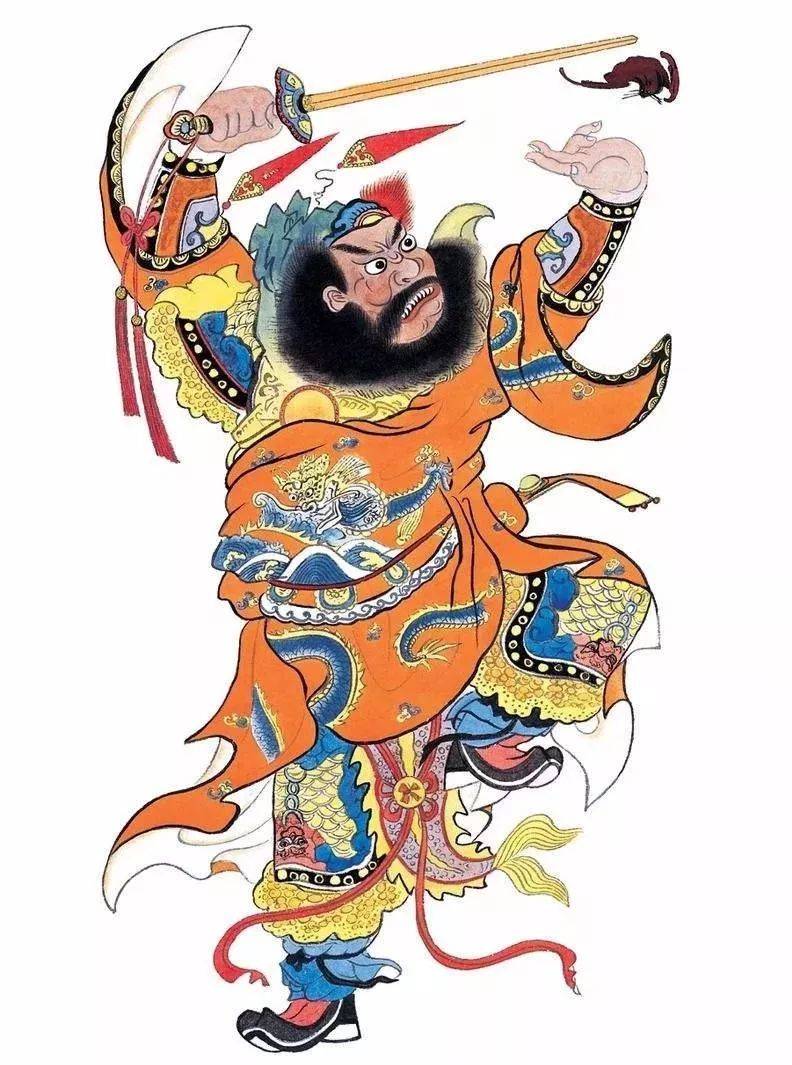
Historical Illustration of Zhong Kui

Iconography and Symbolism

Traditional Zhong Kui Depiction

Classical Appearance

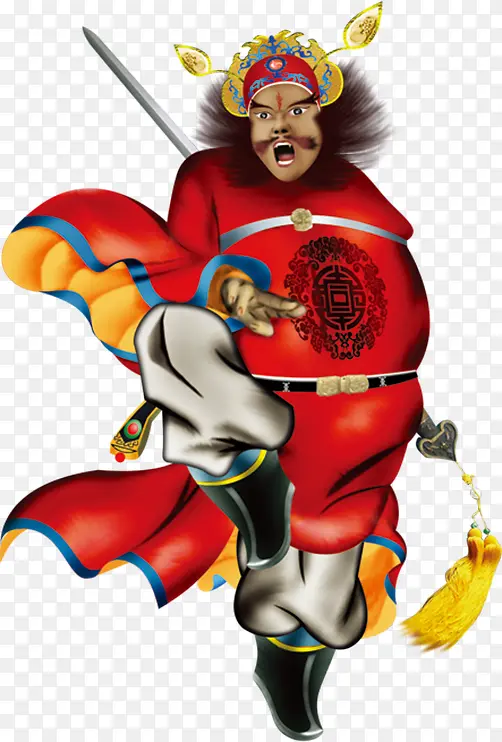
Zhong Kui is typically portrayed with a fierce, dark face, bulging eyes, and a wild beard. He wears a traditional official's hat and robes, often in vibrant red, symbolizing power and good fortune. He typically carries a demon-quelling sword and is shown subduing demons under his feet.

Symbolic Elements

Common symbolic elements include:

  • Bats: Representing both "detecting evil" and "good fortune" (homophones in Chinese)
  • Five Ghosts: Often shown accompanying Zhong Kui, symbolizing his power over malevolent spirits
  • Red Color: Represents protection, power, and happiness
  • Scholar's Robes: Despite his fierce appearance, he's often depicted as a learned scholar

Legendary Stories

Legend Name Core Narrative Source & Cultural Significance
Emperor Xuanzong's Dream Emperor Xuanzong dreamt of a small ghost stealing his possessions, which was then captured and eaten by a larger ghost who identified himself as Zhong Kui, a failed imperial examinee who vowed to eliminate evil spirits. "Unofficial History of the Tang Dynasty" - Established Zhong Kui's core status as a ghost-quelling deity.
Dezong's Imperial Examination Zhong Kui was exceptionally talented but failed the imperial examination due to his ugly appearance. In despair, he killed himself by hitting the palace steps. The emperor, filled with regret, posthumously awarded him the title of Zhuangyuan (top scholar). "Tales of Ghost Extermination" - Emphasizes his tragic heroism and uncompromising integrity.
Zhong Kui Marries Off His Sister After death, Zhong Kui returned to human form to arrange a grand wedding for his sister with Du Ping, who had provided him with a proper burial, thus repaying his debt of gratitude. Folk operas and novels - Showcases his righteous and tender side despite his fierce appearance.

Folk Beliefs and Festivals

Door God Image

Door God

Zhong Kui's image is pasted on doors during Chinese New Year to protect households from evil spirits and misfortune.

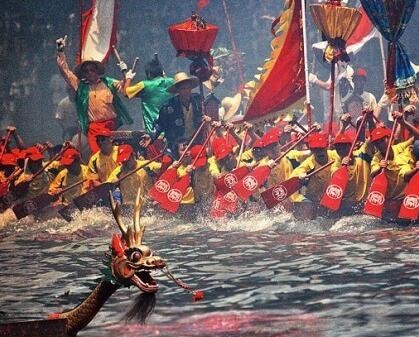
Dragon Boat Festival

Dragon Boat Festival

Since the Qing Dynasty, Zhong Kui images have been displayed during Dragon Boat Festival to ward off pests and diseases.

Dancing Zhong Kui

Zhong Kui Dancing

Folk performances where people impersonate Zhong Kui to expel evil spirits and pray for blessings, popular in Fujian and Taiwan.

Functional Evolution

Over centuries, Zhong Kui's role has expanded from a simple ghost catcher to a multifaceted deity:

  • Protector: Guards against evil spirits and misfortune
  • Scholar Patron: Despite his examination failure, he's seen as a patron of scholars
  • Wealth Bringer: His ability to control ghosts extends to commanding them to bring wealth
  • Healer: Protects against diseases and epidemics
Cultural Artifacts Exhibition